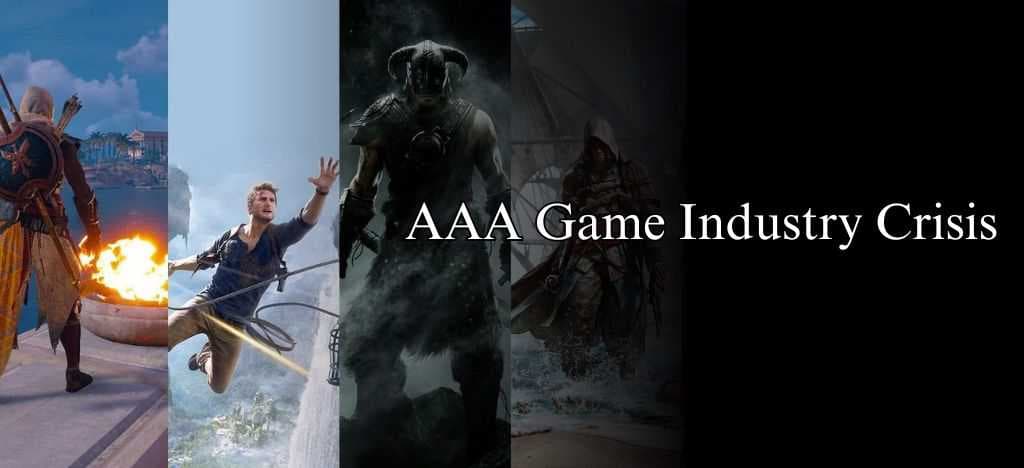
AAA Game Industry Crisis: Why Big-Budget Gaming Is Facing Its Biggest Challenge Yet
The AAA game industry crisis has become kind of one of the hottest things in gaming right now. A lot of people once saw big-budget games as the gold standard of interactive entertainment, but now major blockbuster titles are running into more and more issues, from development budgets that keep getting bigger, and studio layoffs in the middle of it all, to shifts in how consumers behave and a lot of intense competition coming from live-service platforms.
Recently, comments from Epic Games CEO Tim Sweeney basically stirred it all up again. At Unreal Fest 2026, Sweeney called the environment both a “crisis and opportunity” , and he argued that a bunch of those massive games struggle to pull in returns that actually match their huge production costs. In a way, his point lines up with worries that developers, publishers, and analysts have been repeating for a while.
So then, what is actually pushing this AAA game industry crisis forward, and where might the whole industry end up next
What Is the AAA Game Industry?
AAA games are high-budget productions created by large studios, with strong financial support behind them. In general they come with:
- state of the art visuals
- Huge open worlds
- professional voice acting
- cinematic narrative pacing
- Large-scale marketing campaigns
- development squads made up of hundreds of people
You can see these trends in popular categories like action-adventure games, RPGs, shooters, sports titles, and racing series released by top publishers.
Even if many of these projects reach commercial wins, they also bring along massive financial risks.
Why is the AAA game industry kind of facing a crisis now?
1. Skyrocketing development costs
One of the main issues is the really fast rise in production costs.
Modern AAA games usually need:
- Hundreds of developers
- motion capture technology
- advanced visual effects
- lots of quality assurance
- multi platform optimization
- years of development
Some big-name titles are said to have budgets in the “hundreds of millions” range, and that’s before marketing gets added in. So if the sales don’t hit what was expected studios can end up not recouping their investments, pretty fast.
2. Longer development cycles
Back when it was common, games were often built in about two or three years, but now it’s more like five years or even more.
Longer production schedules mean more:
- labor costs
- technology expenses
- opportunity costs
- project management headaches
Also, when timelines stretch out, projects get exposed to market shifts and changing player moods, sometimes even before release day arrives.
3. Increasing player expectations
Players today tend to want:
- photorealistic graphics
- huge content libraries
- cross platform functionality
- live service style updates
- multiplayer support
- regular patches, and downloadable content
But delivering all of that takes serious effort, and that effort becomes pricey quickly.
4. Fierce competition from live service platforms
Games like Fortnite, Roblox, Minecraft, and other persistent online worlds keep players around in the same loop for a long time.
These platforms often win because of:
- social connection
- user generated content
- frequent updates
- cosmetic purchases
- community engagement
And since players invest time, plus money, into those ecosystems it gets harder for brand new AAA releases to hold attention over the long haul.
Tim Sweeney viewpoint on the AAA game industry crisis
At Unreal Fest 2026, Epic Games CEO Tim Sweeney said that a lot of the pricey new releases don’t end up making revenue that matches what they cost to build. He felt like the old approach, pouring hundreds of millions into “separate” premium releases, may be harder and harder to keep going. Not because it’s impossible but, because the numbers are just not landing the same way anymore.
Sweeney also touched on player habits and how they shifted. A lot of players, he noted, tend to drift toward social gaming spaces where friends already hang out and where money is already being spent. In that context Epic is pushing a kind of vision, more like connected Unreal Engine experiences. The idea is that teams can build linked communities and economies, rather than releasing something that sits alone and then fades out.
People will disagree about whether this can truly rewire the whole industry, but it does show the growing interest in ongoing digital ecosystems, and in online spaces where people collaborate in a more lasting way.
Layoffs and studio restructuring
The AAA game industry crisis has also lined up with major workforce cuts across many studios.
A few common reasons behind it are :
- Higher operating costs,
- Projects getting pushed back,
- Releases that don’t perform well enough,
- Strategic reorganization,
- And the post pandemic market adjustments.
Even though the layoffs aren’t identical from one company to the next, they’ve still hit developers, artists, designers, producers, plus support staff across the broader games sector.
The Risk of “Blockbuster or Bust”
Since AAA productions come with huge investments, publishers are relying on that kind of massive commercial win more and more, it kind of works like a bet they cant really avoid.
That produces a pretty high-risk climate where, a breakout release can still bring exceptional profit but a weaker launch, might cause direct money pain—canceled work, delays, or even internal rearrangements.
Also, as budgets keep climbing, fewer publishers seem prepared to gamble on brand new intellectual properties entirely from scratch.
Are Gamers Spending Less?
Not really. A lot of people watching the industry say gamers still spend a lot—just in different places, like:
- Live-service games
- Battle passes
- Cosmetic items
- Seasonal events
- Ongoing multiplayer experiences
So instead of buying a pile of fresh releases each year, some players end up pouring most of their time into a few constantly refreshed titles, kind of like an ongoing subscription but not always literally.
The Growing Importance of Community
Modern gaming is leaning more and more into shared experiences, not only solo play in a quiet room somewhere.
Players tend to care about:
- Playing with friends
- Cross-platform progression
- Social features
- Persistent identities
- User-created content
Because of that, long-running ecosystems have become more common, they basically nudge players to return again and again after the initial purchase.
Can Technology Help Solve the Crisis?
Newer tools in game development might help with efficiency, and therefore with pressure on teams.
Possible areas where things could shift include:
- AI-assisted asset creation
- Procedural content generation
- Automated testing
- Improved engine workflows
- Shared development pipelines
Studios are hoping these changes reduce the timeline and cost, while still keeping the same level of quality, at least close enough to what audiences expect.
Will single-player AAA games, disappear ?
I mean, with all the noise around the AAA game industry crisis, it feels like people assume the story- heavy solo stuff is just gonna fade away. But honestly there’s not much proof that narrative-driven single-player games will vanish entirely.
What we keep seeing though, is that truly acclaimed experiences still pull in big crowds, especially when they bring:
- Solid storytelling, great emotional pacing
- High end production values
- Fresh gameplay systems
- Characters you actually remember
Still, publishers might get more picky about budgets, and also about how wide the project scope stretches, you know, in practice.
The rise of AA and indie studios
Since AAA development costs keep climbing, a lot of players seem to have shifted toward smaller scale releases. Those tend to feel more creative, and sometimes even a bit more daring, like less of the usual “safe formula”.
The advantages tied to AA and indie work can include:
- Less financial risk
- Quicker release rhythms
- Better room for experimentation
- More deliberate design
- Stronger, closer community engagement
And yes, multiple independent titles have managed to land both commercial momentum and critical praise, without needing blockbuster level budgets, at all.
How developers are adapting
To stay competitive, studios are trying different approaches, and not just one path either:
Live-service integration
Some premium games still get content drops, long after launch, which keeps things moving for a while.
Cross-platform releases
Putting the game on several systems at once can widen the audience, and increase revenue chances too.
Modular content
More expansions, plus seasonal updates, can keep players returning, instead of quietly disappearing after the ending screen.
Community building
Studios are investing more in social features, creator tools, and player-led ecosystems, like the community becomes part of the product.
Efficient production
Also, improved workflows, and reusable technology stacks, might cut costs without wrecking quality, or reducing the feel of polish.
What This Means for Gamers
For players, the AAA game industry crisis might cause
- Longer stretches between major drops, and more waiting time
- More weight on ongoing live-service support
- Extra testing of monetization, monetization “ways” basically
- More growth for indie games and AA titles
- Tighter optimization of development effort and resources
Still, competition can also push studios to deliver more slick, polished and a bit more inventive experiences. You know, like smoother play , and some fresher ideas.
Final Thoughts
This AAA game industry crisis is kind of a turning point in modern game making. When budgets rise, production goes on longer, player habits shift, and persistent online ecosystems keep pulling attention, the old blockbuster style gets pressured. Industry voices, including Epic Games CEO Tim Sweeney, say developers might need to adopt more efficient creation methods, plus more connected gaming experiences, to keep doing well in the coming years.
Even so, AAA games are still a core pillar in the entertainment space. Instead of meaning “they are done”, today’s problems may end up starting a new chapter of innovation. A chapter where studios try to balance bold narrative work with sustainable business setups, and also with changing what players now expect.
Read Latest Gaming News here.
Follow us on social media for latest gaming updates.