PlayStation Physical Games Are Ending: Sony to Stop Physical Game Discs in January 2028
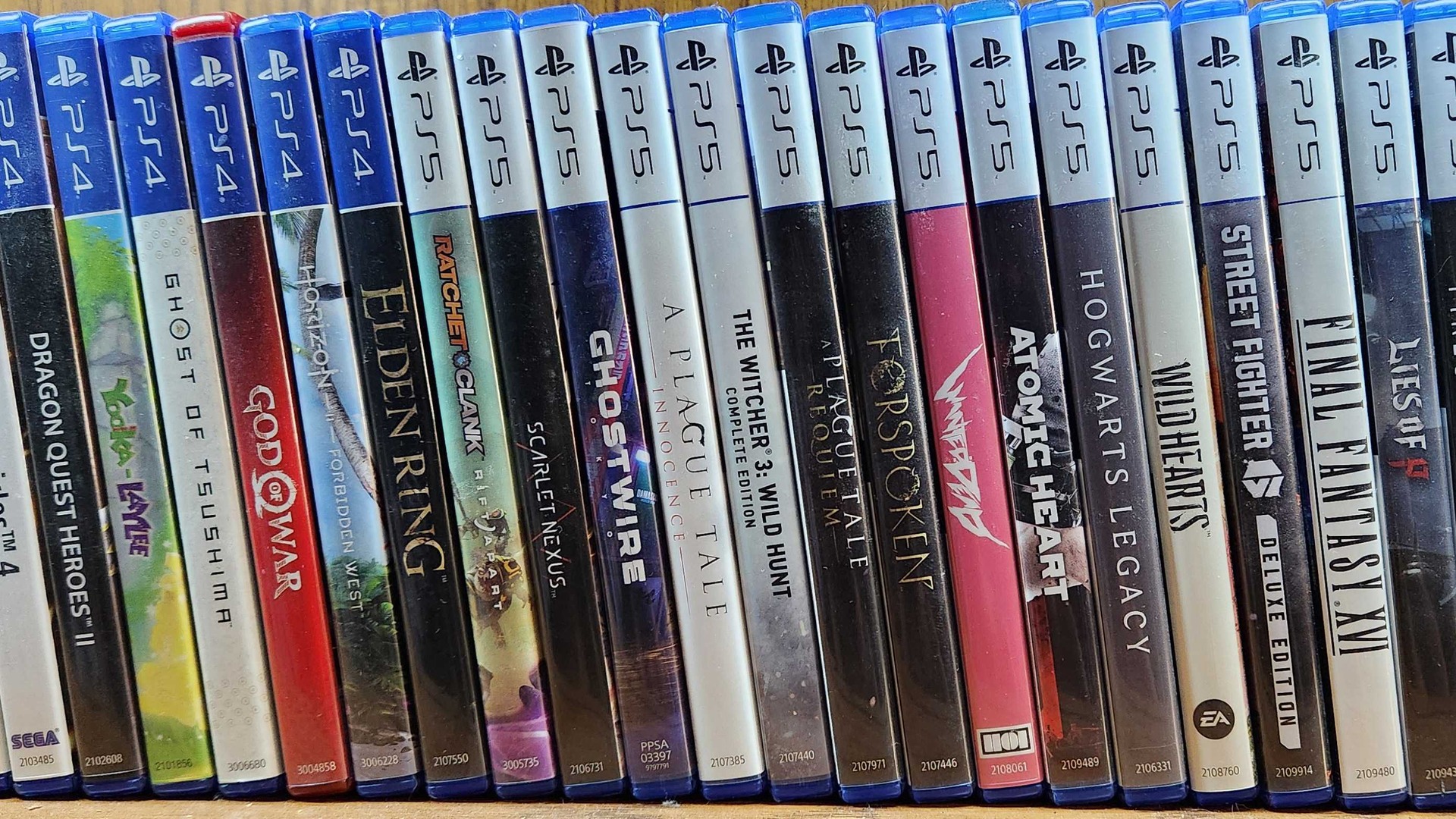
For almost 30 years, getting a PlayStation game kinda meant you hold a Blu-ray disc, put it somewhere on the shelf, lend it to a friend, or trade it after you did the main campaign. Well, that whole vibe is officially fading out.
Sony Interactive Entertainment says it will stop making PlayStation physical games for any new titles starting January 2028. After that date, newly released games will show up only digitally, like through the PlayStation Store, or as download codes from retail partners. The games that came out before the January 2028 limit will still be physical, and they’ll keep getting support.
Honestly, this announcement feels like one of the biggest shifts in PlayStation history and it also pushes the gaming world more toward an all-digital future, you know the kind where discs kinda disappear.
In the rest of this piece, we’ll walk through why Sony chose this path, what changes for players, collectors, retailers, and what it might mean for the upcoming PlayStation 6.
Sony Confirms the End of PlayStation Physical Games

Sony stated that beginning in January 2028 it won’t manufacture physical discs for new PlayStation game releases anymore.
Instead, people will get games via two options
- Buy directly through the PlayStation Store
- Use digital download codes sold by participating retailers
Sony also emphasized, this move won’t impact games released before January 2028, so older disc-based titles remain playable, and available as long as copies last.
This news comes after years of extra spending and effort around digital distribution, subscriptions, cloud infrastructure, and the digital storefronts themselves.
Why Sony is ending PlayStation physical game discs?
So, according to Sony, it’s basically a response to shifting consumer habits, you know the kind that happen over time while you are not really looking. The company says digital purchases have overtaken physical media by a lot, so digital distribution ends up being the more suitable choice for most PlayStation players.
And yeah, this isn’t just marketing, industry figures point the same direction. Analysts mention that when the PlayStation 4 launched in 2013, only about 13% of game purchases were digital. By 2025, that number had climbed to close to 80% , showing how wild and fast those purchasing patterns changed.
A bunch of reasons play into it, like
- faster internet connections
- bigger console storage spaces
- convenience, meaning digital downloads are easier
- immediate game access
- digital pre-loading setups
- regular PlayStation Store sales
- subscription options such as PlayStation Plus
From Sony’s perspective, making , shipping, warehousing, and distributing millions of discs is getting harder to defend when most players now pick digital instead.
The digital shift started with PS5
The change didn’t really happen overnight, it was more of a slow slide.
When Sony rolled out the PlayStation 5 in 2020, it offered two console varieties
- Standard PS5, with an Ultra HD Blu-ray drive
- PS5 Digital Edition, without the disc drive
A lot of people treated the Digital Edition like a trial, but in practice it showed that a sizeable chunk of the PlayStation community was fine with owning a fully digital collection.
After that, Sony pushed further into digital buying, cloud gaming, downloadable add-ons, subscriptions, and remote features. So the January 2028 announcement, honestly, isn’t so much a shock as it is the last move in a plan that had already been quietly building for years.
GTA 6 Helped Spark the Conversation

Sony’s announcement came in pretty soon after the whole news cycle about Grand Theft Auto VI going digital-first , yes, one of the most highly anticipated entertainment things ever made.
A bunch of fans voiced real worries that if there’s no physical version, then players will kind of lose the power to:
- Resell games
- Lend games to friends
- Build physical collections
- Preserve titles for future generations
Those concerns showed up again right away after Sony’s statement, and a lot of people started asking whether digital ownership gives the same sort of long-term safety as owning an actual disc.
Community Reaction Is Mixed
It’s not like everyone is celebrating the shift toward digital-only play.
Across gaming corners, on YouTube , on Reddit, and everywhere on social media, plenty of players criticized the move.
Some recurring issues sound like this
Loss of Ownership
With a sony physical game, players typically have a tangible copy they can use without depending on online storefronts all the time.
Meanwhile digital purchases lean more on platform accounts, licensing agreements, and whatever the store happens to offer later.
No Second-Hand Market
One of the loudest complaints circles around resale.
Physical copies have usually let gamers:
- Sell finished games
- Pick up used titles for cheaper
- Trade with friends
- Collect limited releases
Digital games reduce most of those options , almost completely.
Game Preservation
People who care about preservation often say physical media still matters a lot for keeping gaming history reachable.
If digital storefronts ever close, or if licensing changes , some games could end up being hard to buy again, or even, basically, impossible.
These concerns have started feeling more urgent lately as older digital storefronts begin shutting down across the whole industry.
Retailers Will Also Feel the Impact
This move really impacts more than just the players, kinda quietly, at first.
Retail chains have historically leaned on PlayStation physical games as a steady revenue source, mainly through new game sales, used game programs (which is a whole separate economy), collector’s editions, trade-in systems, and accessories sold right alongside physical releases too.
But once digital-only releases become standard after January 2028, retailers may start leaning more heavily toward download codes, hardware bundles, gift cards, and gaming subscriptions, instead. Analysts also think specialist game retailers, plus the used-game market, will be under serious pressure, not just a little.
What Does This Mean for PlayStation 6?
Even though Sony hasn’t officially revealed the design details for the next PlayStation console, the company’s recent decision has basically sparked a lot of talk that the next generation could arrive as a fully digital platform. Like, no physical discs, just a modern approach.
Several industry analysts also feel the direction strongly hints that Sony is getting ready for a future where physical media isn’t a core part of its main setup, even if Sony hasn’t confirmed what PlayStation 6 specs will actually be.
The Bigger Picture
Sony’s decision fits into a larger, ongoing shift across entertainment overall. Music, movies, television, books and now games, are all sliding away from physical items and toward digital libraries.
For consumers, digital delivery brings convenience, instant access, and less hassle. For publishers, it trims down manufacturing and distribution costs while letting them deal more directly with players through online storefronts and subscriptions.
Meanwhile, the conversation about ownership, preservation, consumer choice, and long-term access probably won’t go away after January 2028. It’ll keep going, because the industry is still adapting to this digital-first reality, slowly, unevenly.