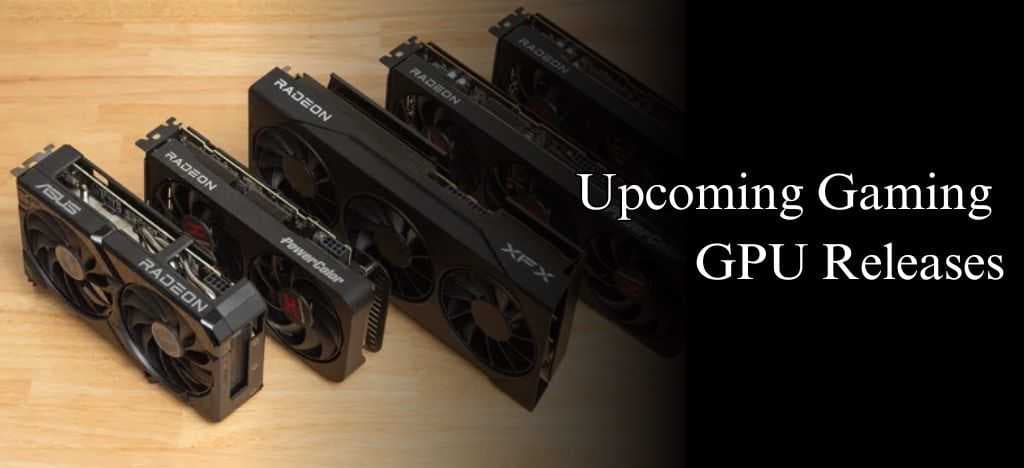
Even with artificial intelligence still taking over a good chunk of the semiconductor industry, gaming stays a major battleground for GPU makers. The upcoming graphics cards are expected to bring meaningful gains, in ray tracing, AI-enhanced upscaling, overall efficiency, and just general gaming performance.
If you’re planning your next PC upgrade, here’s basically everything we know so far about the most anticipated upcoming gaming GPU releases.
Why Upcoming Gaming GPU Releases Matter
Graphics cards are basically the heart of modern gaming PCs.
No matter if you’re into:
- AAA open-world games
- Competitive esports titles
- VR experiences
- 4K gaming
- Ultra-wide monitor setups
your GPU will decide, more or less, how smooth and how good the experience feels.
With each new generation, there’s usually:
- Higher frame rates
- Better ray tracing
- Improved AI features
- Better power efficiency
- New gaming technologies
And yeah, the next round looks set to keep that momentum going.
AMD RDNA 5 GPUs: Team Red’s next big leap

There’s a lot of talk around AMD’s upcoming RDNA 5 graphics plans, especially after a bunch of industry folks started mentioning it in the same breath as “what’s next” for gaming GPUs. The short version is… RDNA 5 is basically the next step in AMD’s RDNA line, and it’s expected to show up on Radeon-branded cards.
At Computex 2026, the conversations (and a few offhand comments from partners) suggest AMD board makers expect RDNA 5 graphics cards to land sometime during either late 2027, second half of 2027, or potentially early 2028. So, yeah, the timing isn’t fully nailed down yet, which makes it sound like AMD might still be polishing the launch schedule, kind of shifting the “window” depending on production readiness.
What Is RDNA 5?

RDNA 5 is said to succeed:
RDNA 3
RDNA 4
and it should power AMDs next wave of Radeon gaming graphics cards.
As for the rumors, they point toward RDNA 5 bringing deeper architectural upgrades, the kind meant to take a firmer swing at Nvidia’s future lineup. In other words, AMD is reportedly trying to be more aggressive, not just slightly improved.
Potential improvements being discussed include a mix of:
- Better ray tracing performance
- Enhanced AI acceleration
- More efficient power usage
- Higher clock speeds
- Improved compute performance
Dual Issue Execution, rumors doing the rounds
One of the more interesting RDNA 5 rumor threads, it sort of goes like this:
Dual-Issue Execution.
This tech could let AMD GPUs chew through more instructions at the same time, which in theory could bring pretty sizable performance jumps for actual gaming workloads, not just benchmarks.
If it ends up being real and implemented cleanly, RDNA 5 might end up feeling like one of AMDs biggest architectural jumps in years.
---
Possible Radeon RX 10000 Series naming, maybe

Even if AMD has not actually confirmed anything, a lot of analysts think future cards will still stick to the RX 9000 naming rhythm.
So, the next waves could be along the lines of :
Radeon RX 10070 XT
Radeon RX 10090 XT
Radeon RX 10100 series
That said, AMD could also pivot and try a total different branding approach, like a new label style or something similar, depending on the plan.
---
Nvidia RTX 60 Series, Rubin architecture whispers
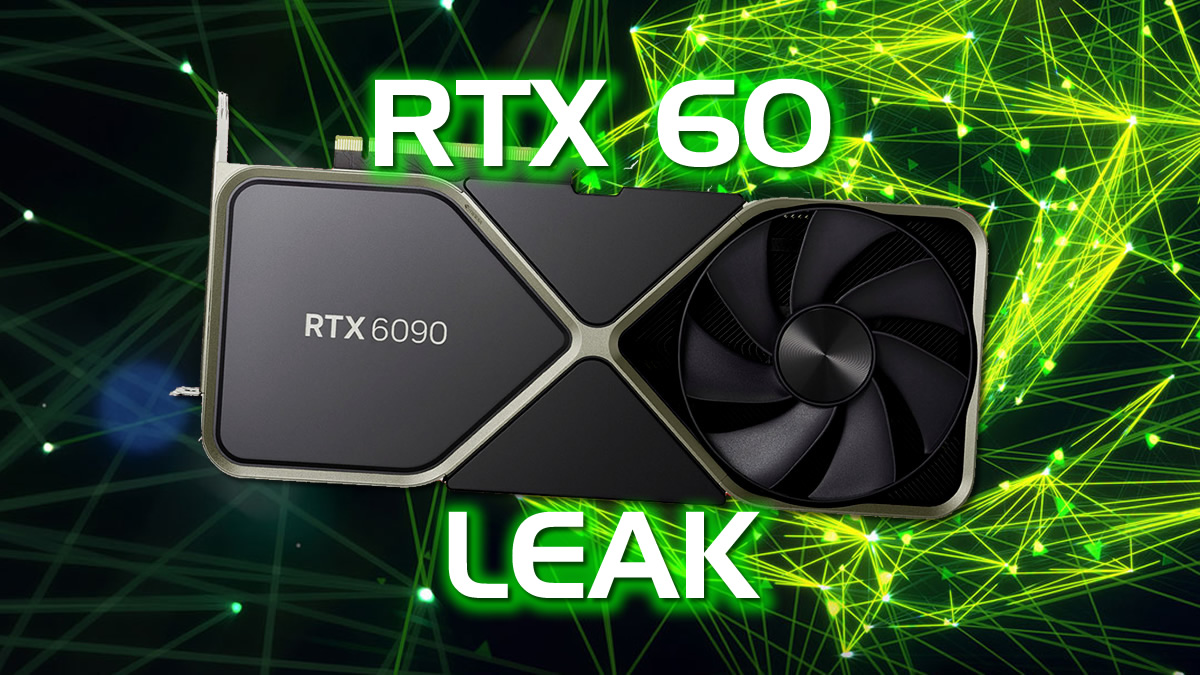
Nvidia still holds most of the gravity in the gaming GPU market.
After the RTX 50 Series release, the chatter already moved on to :
Nvidia RTX 60 Series
Some industry reports point to these cards being tied to Nvidias upcoming
Rubin architecture
Rubin is expected to replace, or succeed, the current Blackwell architecture that shows up in RTX 50 class graphics cards.
Expected RTX 60 Series release date
Right now the current rumors kinda point at:
Announcement: late 2027 (maybe)
Availability: late 2027 into early 2028
This schedule lines up fairly well with what people expect for AMD RDNA 5 stuff
If the timing really does match up, it could end up being one of the more cut-throat GPU eras in recent memory, you know.
Expected Nvidia features
Even if Nvidia is staying quiet about the exact details, gamers can still expect meaningful upgrades in a few areas like:
Ray tracing
Nvidia still leads the industry when it comes to ray-traced visuals
For the RTX 60 Series, the idea is pushing image realism even farther ahead
DLSS evolution
The next iterations of
- DLSS
- frame generation
- AI assisted rendering
will probably matter a lot for next gen games, especially on heavier scenes
AI-powered graphics
Nvidia keeps building that AI know how, so it may translate into better gaming performance through more clever rendering methods
Intel Arc GPUs still have a future
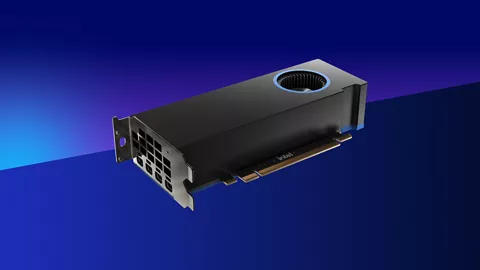
Meanwhile AMD and Nvidia take most of the spotlight, Intel is still working in the background for gaming graphics
Recently, Intel rolled out
Arc G3 family
These GPUs are aimed at handheld gaming devices and they lean on:
Panther Lake silicon
Intel is continuing to fine tune its graphics technology, even while it faces pretty rough competition from the more established GPU makers.
Will Intel release new dedicated gaming GPUs?
Honestly, the answer is still kind of foggy. The future feels unsure, and Intel has not really locked in any official, next-generation desktop Arc lineup. Still, some industry folks think Intel is seeing long-term value in gaming graphics, even if they’re being quiet about it.
So, if something is coming, it might land around a few directions, like :
- Mainstream gamers, not just niche builders
- Budget gaming PCs , with more reach per dollar
- Handheld gaming systems , where power efficiency matters a lot
- Integrated graphics improvements, basically smoother basics for everyday systems
For regular consumers, more competition would be a good thing, since pricing could get sharper and innovation may move faster.
How AI is affecting gaming GPU releases
There’s also a big reason this whole topic feels complicated right now. A major driver is the explosive growth of artificial intelligence.
Right now, the biggest GPU makers are investing like crazy in:
- AI data centers
- Machine learning hardware
- Enterprise computing
- Cloud infrastructure
And because of that, gaming hardware can sometimes get less attention than it did in earlier years. But it’s not only a distraction, AI advancements are also opening new doors for gamers.
You’re already seeing examples such as :
- AI upscaling
- Frame generation
- NPC intelligence , more reactive than before
- Real-time rendering enhancements, more lifelike detail
So the next generation of GPUs may end up mixing gaming features and AI features even more than we expected, to the point where the “line” between them gets blurry.
Next generation consoles might end up nudging how GPUs get made
in a way people don’t always think about, the GPU market is not just PC gaming anymore.
Industry folks are also quietly expecting that PlayStation 6, and the next round of Xbox hardware, will show up within the next few years.
Both are widely rumored to rely on next generation AMD graphics tech. So, if RDNA 5 brings its usual pile of improvements, it could eventually end up powering not only gaming PCs but also consoles, and even cloud gaming platforms. In other words, you might see a kinda shared technology ecosystem across different screens and services.
Should You Wait For Upcoming Gaming GPU Releases?
Lots of gamers ask themselves the same basic thing, pretty often, buy now or just wait it out?
That choice depends, mostly on what you’re running right now.
Upgrade now if:
- Your GPU is older than about 4 years
- You’re having trouble with current games
- You want faster performance right away
- You care about stronger ray tracing today
Right now, current lineups like the RTX 50 Series, and Radeon RX 9000 cards, are still extremely capable.
Wait if:
- You already own fairly recent hardware
- You’re curious about next generation features and tech
- You want the most future proof setup possible
- You’re building a premium rig around 2027
Those upcoming gaming GPU releases could still deliver meaningful performance leaps, especially if the newest rendering methods land as expected.
Expected GPU Technology Trends
Past specific products, there are a few broad directions that are likely to shape future graphics cards.
Better ray tracing
Real time lighting, and reflections, should keep getting sharper and more consistent.
AI rendering
AI assisted graphics may become pretty normal across GPU makers, not just a feature people test once.
Higher efficiency
Performance per watt remains a huge target, because power budgets are not getting easier.
Faster memory
Future GPUs may include improved memory approaches, with higher bandwidth too.
Improved upscaling
Image reconstruction is likely to matter even more, especially when you want high resolution gaming that still feels smooth.
Most Anticipated Upcoming Gaming GPU Releases
Here are the graphics cards generating the most interest right now:
| GPU Family |
Expected Window |
| AMD RDNA 5 GPUs |
Late 2027 – Early 2028 |
| Nvidia RTX 60 Series |
Late 2027 – Early 2028 |
| Future Intel Arc GPUs |
TBA |
| Next-Gen Console GPUs |
2027+ |
Final Thoughts
Honestly, the next few years are looking like they will be a pretty good ride for PC gamers. Even today, graphics cards already give really solid performance, but the next wave of upcoming gaming GPU releases might still push things forward in real ways, like ray tracing improvements, AI assisted rendering tricks, better efficiency, and just more overall gaming power.
AMD’s RDNA 5 architecture and Nvidia’s rumored RTX 60 Series are kinda shaping up to be the headline GPU launches for 2027, and maybe stretching into early 2028. At the same time, Intel keeps working on its Arc ecosystem which helps keep real competition in the graphics market, more than a little.
Even if the release dates are still tentative , one point is hard to argue with: the future of gaming graphics looks brighter, faster, and smarter than ever before.
Read Latest Gaming News here.
Follow us on social media for latest gaming updates.