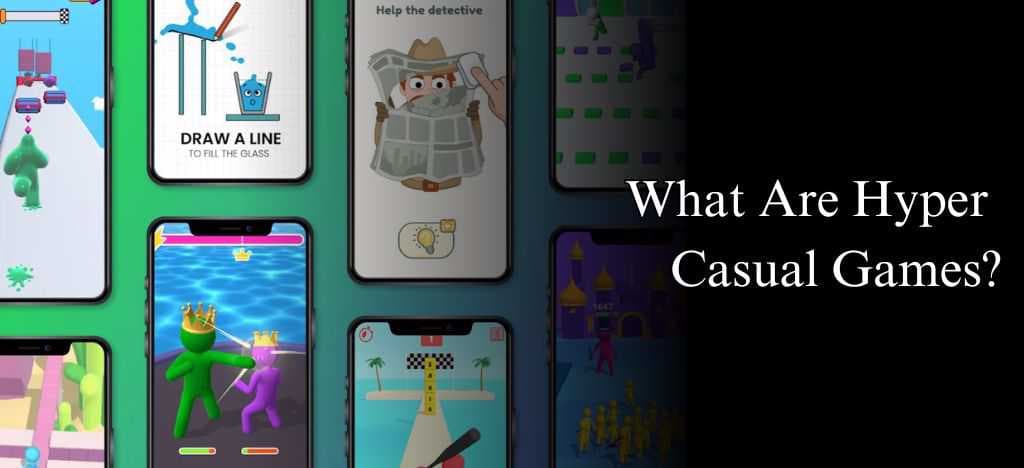
What Are Hyper Casual Games? Hyper-Casual vs Casual Games
The mobile gaming industry has seen explosive growth over the last decade, bringing in millions of players to kinds of games that basically lean on easy access and instant fun. Among them, hyper casual games have turned into one of the quickest rising categories, mainly because their mechanics feel simple, the learning part is almost nothing, and the gameplay loop is kind of, well , hard to leave alone.
So, what are hyper casual games really, and how do they stand apart from regular casual games? At first glance they can look similar, but they usually aim at different player habits, use different retention approaches, and they monetize in different ways too.
In this guide, we’ll walk through What Are Hyper Casual Games, then compare Hyper-Casual vs Casual Games, break down their key traits, and talk about why developers and publishers keep throwing resources into both sides, over and over again.
What Are Hyper Casual Games?
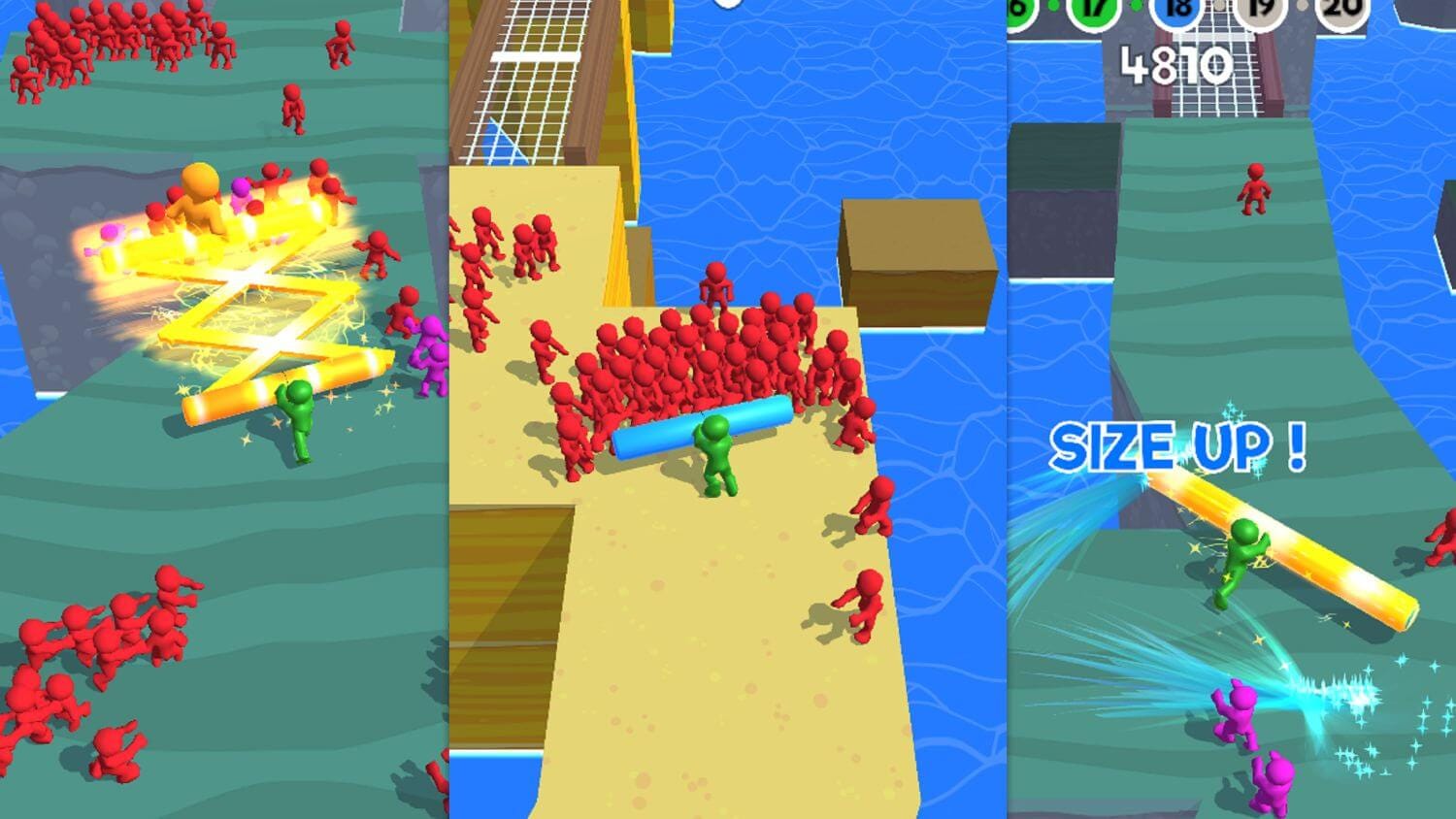
Hyper casual games are lightweight mobile games that are built around simple controls, short rounds, and instant access. Most players can get the point within a few seconds, and they can start playing right away, without sitting through long tutorials or juggling complicated systems.
A big rule inside hyper casual gaming is “easy to learn, hard to master”. A lot of these titles revolve around one main gameplay feature, which then nudges players to replay again and again , chasing better scores or trying to last longer, even if it’s basically the same run.
You’ll typically notice traits like:
- One touch or one finger controls
- Minimalistic visuals
- Short play sessions
- Instant gameplay
- Straightforward objectives
- Quick loading times
- Lightweight downloads
- Low effort onboarding
These games often draw a wide crowd, including folks who might not even see themselves as “real” gamers. that is What Are Hyper Casual Games are.
How Did Hyper Casual Games get Popular
It kinda feels like hyper casual games just showed up and suddenly everyone had them on their phones, but there were actually a few reasons behind it , and they stack up pretty neatly.
Smartphone Adoption
When smartphones got faster and cheaper, mobile gaming didn’t stay local anymore. It spread to pretty much everybody.
Free-to-Play Model
A lot of hyper casual games are free to download, so the entry point is low. People try them more easily, then well… they keep playing.
Social Media and Viral Sharing
Those short gameplay clips, plus the challenge based mechanics, make it super simple to share. Like, you post a run, somebody else tries it , and suddenly it’s everywhere.
Short Attention Spans
A lot of players want quick fun in small gaps. During breaks, commutes , or downtime. Hyper casual games match those tiny “just one more” moments.
Common Features of Hyper Casual Games
Simple Gameplay
The rules are kept intentionally easy. Most of the time you only need one or two taps to do what you’re supposed to.
For instance:
- Tapping to jump
- Swiping to dodge obstacles
- Holding to speed up
- Releasing to stop
Instant Start
Compared to more traditional titles, hyper casual games often cut out long tutorials or story setups. You jump in immediately, no long wait.
Endless Replayability
Many of them use procedurally generated levels, or they go with endless modes. So players keep coming back for repeated attempts , again and again.
Minimal User Interface
Everything stays clean and uncluttered. There’s not a ton of clutter on screen, so the player basically focuses on the play itself.
Lightweight Design
They’re usually small in size. That means installation is quick and it works even on devices with limited storage, which really helps.
Popular Examples of Hyper Casual Games
Some recognizable names are:
- Flappy Bird
- Helix Jump
- Stack
- Crossy Road
- Paper.io
- Color Switch
- Dune!
- Tomb of the Mask
And yeah they blew up because people could start enjoying them right away, without needing experience or learning a bunch of controls first.
What are Casual Games?
Casual games are kinda like that sweet middle ground, where you get something that still feels easy to pick up, but it’s not just the super quick, hyper casual stuff. Usually there’s more depth in play, plus progression systems, and overall, they tend to hold your attention for longer.
Even with that extra structure, they stay accessible to a pretty wide audience. That means, yes you can jump in right away, but then there are additional mechanics that kinda nudge you back again for more sessions.
If you look at the usual types, casual games often include things like:
- Match three puzzles
- Farming simulations (with that steady, soothing loop)
- Word games
- Card games
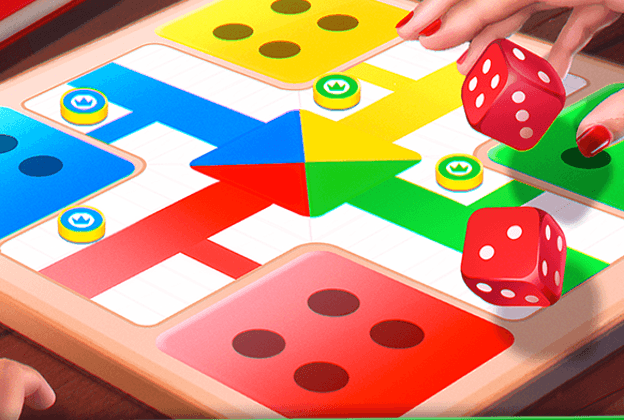
- Board games
- City builders
- Time management games
A lot of players come back daily to handle objectives, grab rewards, or keep climbing through levels that get more demanding over time.
Hyper-Casual vs Casual Games
Understanding Hyper-Casual vs Casual Games is essential for developers, publishers, and players alike.
| Feature | Hyper Casual Games | Casual Games |
|---|---|---|
| Learning curve | Extremely simple | Easy but more involved |
| Controls | Usually one-touch | Multiple interactions |
| Session length | 1–5 minutes | 10–30 minutes or longer |
| Progression | Minimal | Significant progression systems |
| Storyline | Rare | Often included |
| Monetization | Mostly ads | Ads plus in-app purchases |
| Retention strategy | Replayability | Long-term progression |
| Graphics | Minimalistic | More polished and detailed |
| Player commitment | Low | Moderate |
| Complexity | Very low | Moderate |
While both genres target broad audiences, casual games typically encourage deeper engagement over extended periods.
Monetization Models
Hyper Casual Games
Revenue is usually pulled from stuff like rewarded video ads, interstitial advertisements, banner placements, and then optional cosmetic buys. Advertising is often the main approach, because the user acquisition numbers can be huge.
Casual Games
Casual titles often mix ad income with in-app purchases, battle passes, premium currencies, subscription services, and upgrades for cosmetics. This kind of diversified method tends to raise the lifetime user value, at least compared to relying on just one thing.
Advantages of Hyper Casual Games
Broad Accessibility
Most people can grab it and play, no real gaming background required.
Quick Development Cycles
Developers can prototype and check ideas much faster than bigger productions.
Viral Potential
The simplest rules, plus short gameplay clips, usually do well on social platforms.
Large Global Audience
Gameplay that doesn’t lean on language helps hyper casual games travel internationally.
Low Hardware Requirements
Lightweight visuals and minimal graphics make it run on a lot of devices without much trouble.
Challenges Facing Hyper Casual Games
Even with all the popularity, there are a few problems developers keep running into:
High User Acquisition Costs
The competition inside app stores keeps climbing, so buying attention gets more expensive.
Low Retention
A lot of users try the game, then uninstall after a brief session.
Dependence on Advertising Revenue
When ad markets shift, profits can take a direct hit.
Rapid Trend Cycles
Popular mechanics can get overused quickly, so teams must keep iterating and innovating, not just sit and wait.
Why Casual Games Often Retain Players Longer
Casual games often just manage to keep people around longer, because they usually come with these kinds of systems that make you come back, even if you only meant to play a little. Like daily rewards, unlockable stuff, character progression , collections, seasonal events , leaderboards, and some social features here and there. In general, the whole idea is that the game gives you longer-term aims that stretch out across weeks, or months , so players don’t feel like they’re finished after one session.
Designing Successful Hyper Casual Games
When developers build hyper casual experiences, they tend to focus on a few things that feel simple at first, but matter a lot once people start playing. First, controls have to be intuitive, so players get it right away, without a big explanation. Then there is fast feedback, like the visuals and audio quickly confirm that your actions worked. Difficulty is also usually incremental, meaning challenges rise bit by bit, not like an unfair wall aimed at brand new players. And they keep the loops short, so each gameplay cycle kinda begs for “just one more try” , even when you’re tired. On top of that, performance optimization is huge , because smooth frame rates and quick loading times make the game feel reliable, not annoying.
Emerging Trends in Hyper Casual Gaming
This genre doesn’t really stay stuck in basic mechanics anymore, it keeps moving. A lot of studios are now doing hybrid casual, which is basically hyper casual simplicity mixed with progression systems, so retention and monetization tend to get better. Some teams also use artificial intelligence to personalize gameplay, balance difficulty, and provide smarter user recommendations. Cross-platform play is another push, with more games supported across mobile phones as well as web browsers. Then there are live events, like time-limited challenges and community competitions , giving people another reason to return. Finally, enhanced analytics helps studios use player data to improve onboarding, monetization, and overall game balance.
Hyper Casual Games Across Different Genres
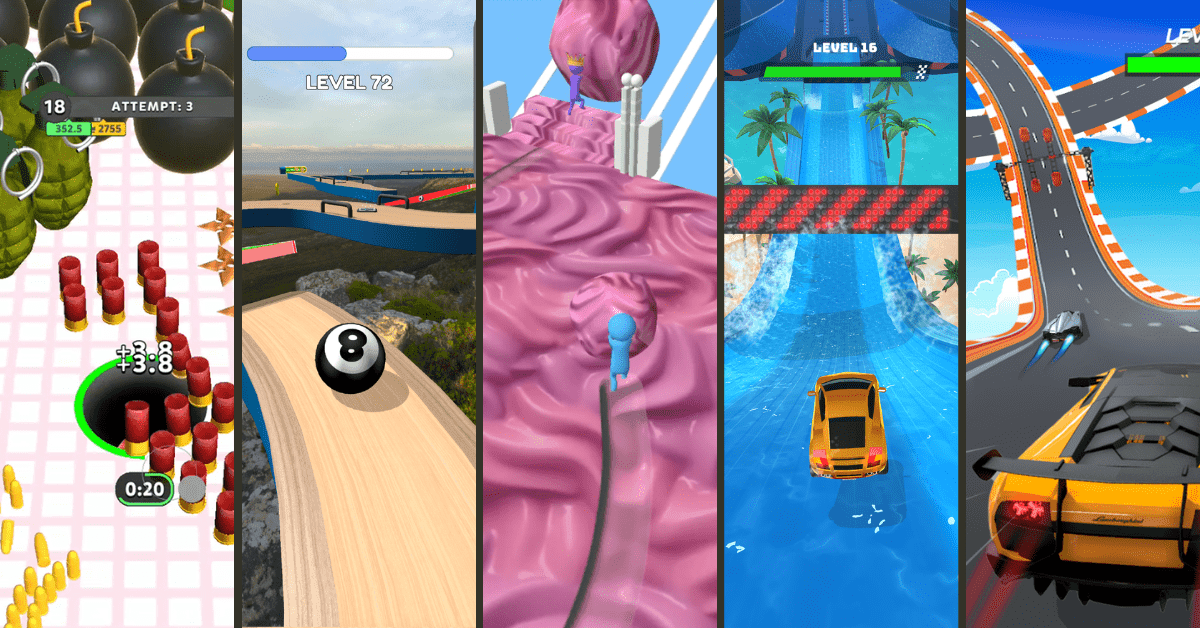
Hyper casual mechanics can now show up in all sorts of themes, not just one style. You’ll see them in racing, sports , puzzle games, arcade formats, endless runners, physics challenges, reflex games, obstacle courses, and even idle mechanics. That flexibility means developers can experiment a lot, while still keeping gameplay simple enough that it stays easy to pick up.
Tips for Picking Between Hyper Casual and Casual Development
If youre thinking about making a mobile game, it helps to look at a few things first, not just the vibe.
Pick hyper casual if your aim is pretty much:
- Fast development
- Broad audience reach
- Ad-based monetization
- A chance for viral growth, like really quick sharing
Pick casual gaming if what you care about is more like
- Long term engagement
- More layered progression, a richer path
- In app purchases that feel natural
- Community bits and social features
- Higher player lifetime value overall
A lot of studios these days mix the two in some way, so you get the speed of one side and the retention of the other, sort of.
The Future of Hyper Casual Gaming
The hyper casual space is still growing but it’s getting more mature too. Developers are adding deeper mechanics, yet they still try to keep the experience easy and approachable. So instead of vanishing, the genre is turning into something more nuanced, like instant fun that somehow also lasts.
Hybrid models are likely, along with live operations, personalization, and stronger monetization methods. These things together could shape what mobile games look like next.
For players, that usually means more polished experiences. Still simple enough to jump into quickly, but with more reasons to come back later.
Final Thoughts
Understanding what are hyper casual games helps explain why they became such a big deal in mobile gaming. The mechanics are direct, the entry barrier is low, and the sessions are short. That combination pulls in a lot of users, millions really, worldwide.
When comparing hyper casual vs casual games, the main difference is depth and how long people stick around. Hyper casual titles lean toward simplicity and right away enjoyment. Casual games often include progression systems, richer content, and different monetization choices too.
For developers, picking the right approach depends on business goals, who you want to reach, and what resources you actually have. For players, both types can still be pretty fun , just in slightly different ways.
This was all about What Are Hyper Casual Games and difference between Hyper-Casual vs Casual Games.
Read Latest Gaming News here.
Follow us on social media for latest gaming updates.