Contact Us
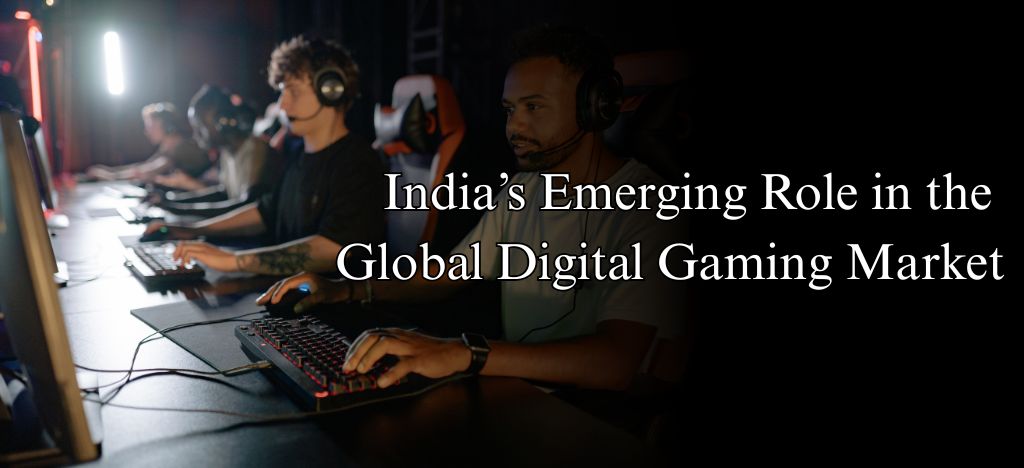

The India’s digital gaming market is currently developing into one of the fastest growing digital gaming markets throughout the entire world. The country’s digital gaming market has experienced explosive growth which continues to develop through changing regulatory conditions and new monetization strategies because of three factors: affordable smartphones and wider internet reach and the country’s youth population which actively uses digital technology. The future of interactive entertainment will develop through Indian technology trends which combine with local innovative processes.
Massive Market Growth and Global Rankings
The India’s digital gaming market has emerged as one of the most important emerging markets throughout the world according to recent industry reports. The market will reach a value of more than USD 10 billion by 2025 according to projections while the market will continue to grow until 2030 according to forecasts. The growth of mobile gaming now represents the main driver for the Indian gaming market which uses mobile devices as its primary gaming platform because users access the market through inexpensive smartphones and affordable data packages and most Indians now own smartphones.
The gaming industry in India is expected to grow three times its current size by 2030 according to global research forecasts which show growth in casual gameplay and competitive esports and interactive media as the main revenue generators for the sector. The India’s digital gaming market maintains its strong position in global digital gaming because existing market trends continue to operate despite regulatory changes which impact specific revenue streams.
Demographic Advantage and Player Base Expansion
India contains the second largest gamer population among all countries worldwide with hundreds of millions active players who play various game types which include simulation games strategy titles and puzzle multiplayer games. The enormous user base predominantly uses mobile devices because people prefer to play games that are simple to access and run on inexpensive devices which require less system resources.
India shows an increasing number of gamers who represent a youthful population that understands digital technology because they create content and stream live shows and interact with social media platforms. Events such as the IICT Esports Premier League underline how competitive gaming and spectator culture are gaining mainstream traction, helping to integrate gaming into India’s broader creative economy.
Evolving Monetization and Business Models
Indian developers use advanced monetization methods which include subscription models and cloud gaming and personalized experiences to create revenue streams and establish user retention after they moved from basic in-app purchases. The platforms now adopt adaptable business structures which enable them to follow international market developments while meeting regional customer needs.
The online gaming industry in India has changed its focus to skill-based and casual games because recent regulatory changes have affected real-money gaming operations. The industry concentrates on delivering better user experiences through valuable content which helps users connect with its products instead of pursuing traditional gambling revenue streams.
Global Expansion and Local Innovation
The India’s digital gaming market has expanded beyond its domestic market since its companies started entering international markets. JetSynthesys acquired the popular puzzle game EverMerge which serves as a showcase for how the company plans to grow its international presence while developing new gaming content.
The introduction of agile development studios which include AI technology has allowed small development teams to create video games that appeal to audiences around the world. The current trend shows that Indian artists now possess the ability to create entertainment products which achieve global recognition while they compete in international markets.
Education, Talent, and Ecosystem Development
The India’s digital gaming market experiences growth which creates new opportunities for academic research and workforce training programs. The new gaming and animation minor course at Dr. APJ Abdul Kalam Technical University prepares students to work in game design with 3D animation and interactive media skills which will create future game developers.
The gaming accelerator program which IIM Lucknow established demonstrates that partnerships between educational institutions and startup companies have become more popular to develop innovations which combine sports technology with esports and gaming. (Source: TOI)
Government and Regulatory Landscape
The gaming industry in India has experienced successful growth, but it now faces challenges from new regulations which specifically affect real-money and betting-style gaming markets. The 2025 Online Gaming Bill together with its related legislative measures has established the framework which determines how businesses in the country create value and conduct their operations.
The Indian gaming industry requires different reforms which its stakeholders support through tax improvements and recognition of esports as a legitimate competitive sport. The Indian gaming industry needs these changes because they will help establish gaming as a major cultural and economic force in society.
Looking Ahead: India’s Global Digital Gaming Role
India's gaming industry has undergone a complete transformation because the country evolved from a mobile-first market that focused on accessibility and innovation into a leading force for developing next-generation digital gaming technology. India has become a major player in the worldwide digital gaming market because of its strong demographic growth and support from its ecosystem and its new monetization strategies and its increasing presence in international markets.
India’s digital gaming market will develop into a major global player because the gaming industry keeps evolving while developers and policymakers work together to create new gaming experiences which will dominate international markets.