Businesses need to create their financial plans while protecting their system security and maintaining system performance and providing an excellent user experience because the gaming industry needs these three elements to compete. We will examine the primary elements which determine card game development costs because they show you how your financial resources will be spent.
Typical Cost Ranges for Card Game Development
The expenses required to make card games depend on how difficult the game is to create and which platform developers select and which features they decide to include. Here are common budget brackets you can expect:
1. Basic Card Game
Estimated Cost: $10,000 – $30,000
Details: The game supports single-player mode and a few multiplayer modes which use basic interface design and simple animations to execute standard game rules.
Use Cases: Players use this system to play traditional card games and build basic decks and play casual card games.
The system works best for developing initial product versions which need testing before the company grows its operations.
2. Mid‑Level Card Game
Estimated Cost: $30,000 – $70,000
Details: The system provides players with improved graphics and animations while players can access basic multiplayer functions and leaderboard features and cross-platform compatibility and social interaction capabilities.
Use Cases: Players use this system to play strategy card games which provide advanced gameplay options.
Estimated Cost: $70,000 – $150,000+
Details: The system provides real-time multiplayer features which use cloud technology for backend functions and matchmaking and chat services and advanced animations and server scaling and user interface and user experience design and analytics functions.
Use Cases: The system enables users to play competitive card games with multiple players while they join community-based gaming sessions.
The costs increase beyond our specified range when developers add advanced technologies and features which includes AI-based game opponents and blockchain technology and real-time international game play.
Key Factors That Influence Card Game Development Cost
The complete development expenses for a card game project depend on multiple elements. The various elements which affect business decisions and investment efficiency need to be understood by businesses.
1. Game Type and Complexity

Your card game project costs depend on which card game type you decide to develop.
Basic card games usually include:
- Single-player gameplay
- Basic animations
- Standard UI design
Advanced card game platforms may include:
- Real-time multiplayer gameplay
- Advanced animations and effects
- Leaderboards and tournaments
- AI-based opponent logic
The development costs for card games will increase when developers create more complex gameplay mechanics.
The choice of platform used for card game development creates a major impact on development expenses.
Common options include:
- Mobile (Android / iOS)
- Web-based platforms
- Cross-platform solutions
Developers need to spend more money at the beginning when they use cross-platform development but this approach decreases maintenance expenses while allowing them to connect with additional users.
3. UI/UX Design and Graphics
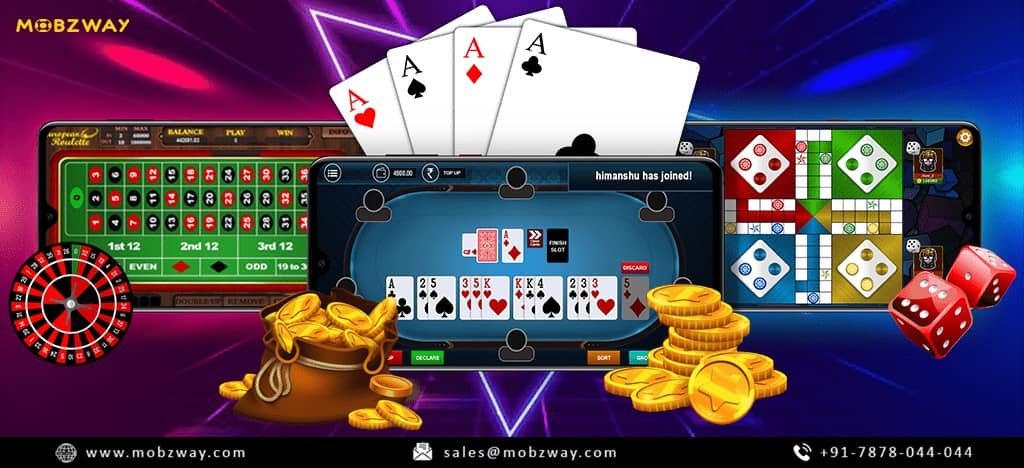
Player engagement depends on both user interface design and visual content. A well-designed card game must offer:
- Smooth navigation
- Clear card visuals
- Responsive layouts
- Engaging animations
The use of custom graphics and animations in card games leads to higher development expenses while also enhancing user retention and brand value.
4. Multiplayer and Backend Infrastructure
Backend development becomes a major cost component when your card game includes multiplayer functionality.
Key backend elements include:
- Real-time game servers
- Matchmaking systems
- Player data storage
- Cloud hosting infrastructure
- Anti-cheat and fair play systems
Multiplayer infrastructure usually increases card game development cost but is essential for scalable gaming platforms.
Security and Fair Gameplay Systems
Digital gaming security functions as an essential requirement in present-day gaming environments. Development teams must implement:
- Secure authentication systems
- Data encryption
- Anti-fraud detection
- Fair gameplay algorithms
The initial security investment for card game development increases overall project costs but helps maintain platform security while creating user confidence.
Development Team Structure
The strength and skills of your development team are also factors that influence card game development cost.
The typical structure of your development team should include the following:
- Game designers
- Front-end developers
- Back-end developers
- QA testers
- Project managers
Employing skilled developers can be more expensive at first but will likely lead to faster development and less technical problems.
Post-Launch Maintenance and Updates
Card game development cost does not end with the launch of your game. The following are some of the costs that you will incur on a regular basis:
- Bug fixes and performance upgrades
- Feature releases
- Server maintenance
- Security monitoring
- Customer support
It is important to budget for long-term maintenance costs if you want your game to be successful in the long run.
Cost Optimization Tips
To optimize card game development cost, you should consider the following tips:
- Developing with an MVP (Minimum Viable Product)
- Developing with scalable cloud infrastructure
- Developing with cross-platform frameworks
- Developing with proven game modules
- Collaborating with experienced game development companies
Card Game Development Cost Trends of the Future

New technological innovations in the card game development realm will provide a new paradigm for card game development such as:
- Artificial Intelligent driven personalized experiences
- Cloud based gaming infrastructure
- Real time analytics implementation
- Multi-device synchronization
Although these technologies may drive up the original cost of card game development, they will provide long-term benefits through increased competitiveness.
Conclusion
There are many factors to consider when determining card game development cost (the type of game, the different types of platforms to develop for, whether or not to build/export an entire multi-player game structure, the quality of design and development, and the type of security systems employed, also known as the game loophole).
Those companies entering the world of digital gaming must successfully navigate the balance between cost vs. quality so that they will experience long-lasting success.
By being diligent at identifying desired features, technology stack(s), and a comprehensive plan for digital card game development can help companies-CREATING a scalable, rewarding and enjoyable gaming platform at a LOW overall cost.